A Look Back at Elise Legal's Residency at Aperto

© Esmire & Erwan
© Esmire & Erwan

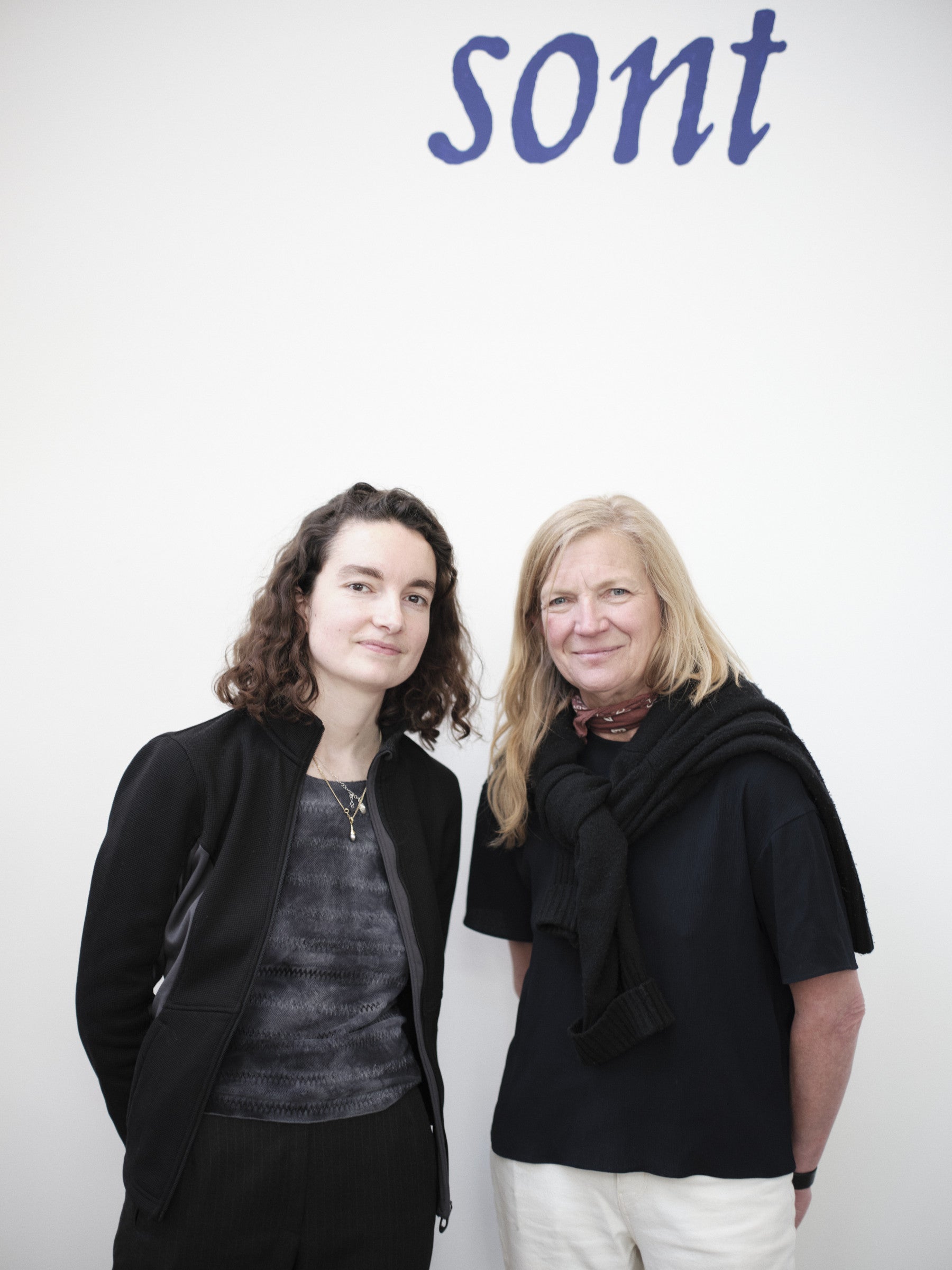
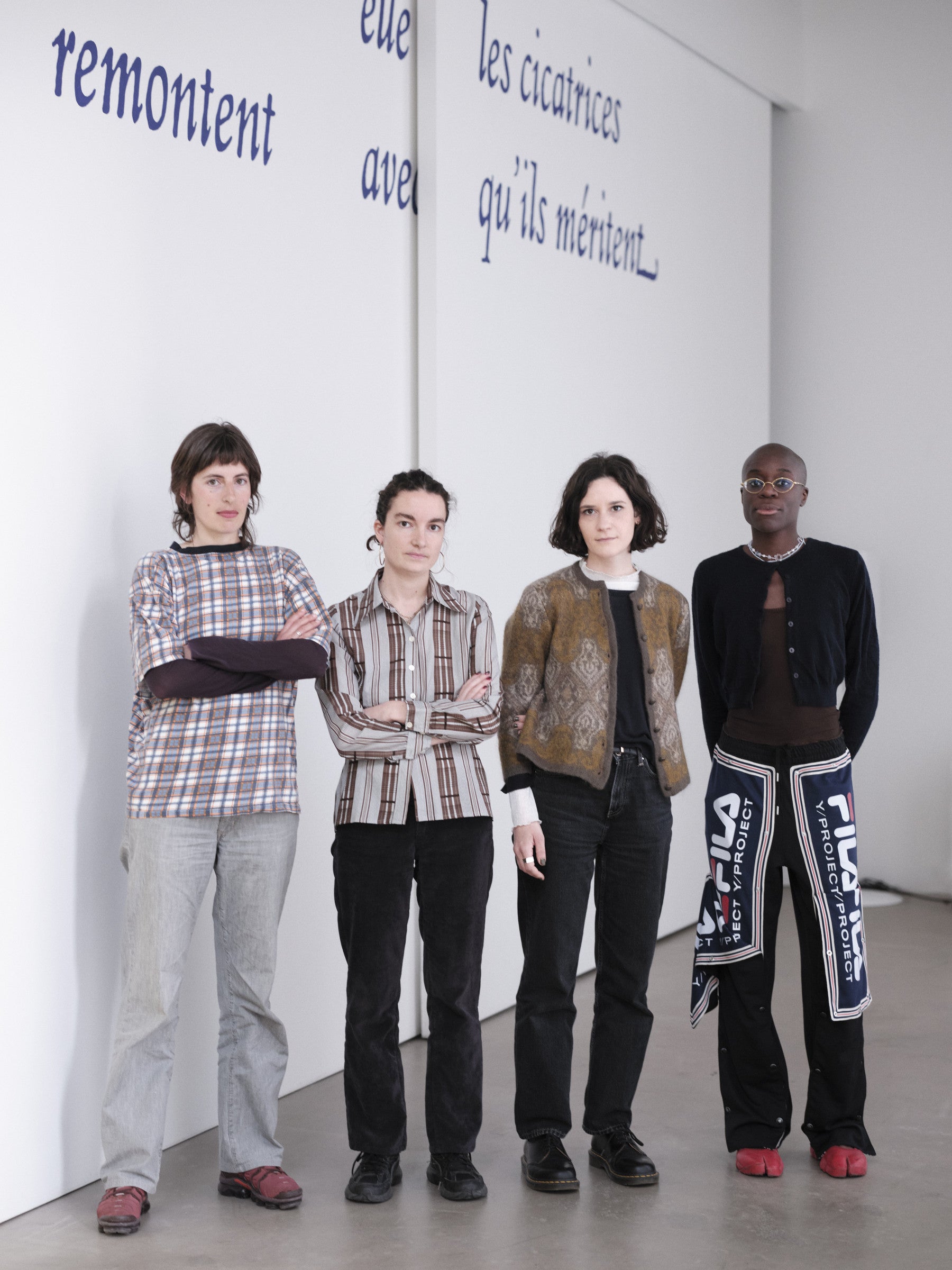
Between January and April 2026, artist Elise Legal was in residence at Aperto. Drawing on literary and political sources, the artist used this research period to refine and develop a rich body of thought on the powers and limitations of poetry today.

Following in the footsteps of the anarchist poet Sean Bonney, Elise Legal reaffirmed the agency of poetry: the importance of defining one’s enemies, of conceiving of poetry as a literary space for thinking about refusal, and of engaging with the concepts of address and translation. The poems thus served as a means of preserving emotions that were meant to be suppressed, “because we live within structures shaped by profit,” in the words of author Audre Lorde. Inspired by the collective dimension of writing, Elise Legal invited other artists to participate in an evening of public readings held on Wednesday, March 28, as well as in a closing event for her residency on April 15. On June 2, 2026, Elise Legal and Fanny Taillandier were guests on the second episode of Radio Aperto.
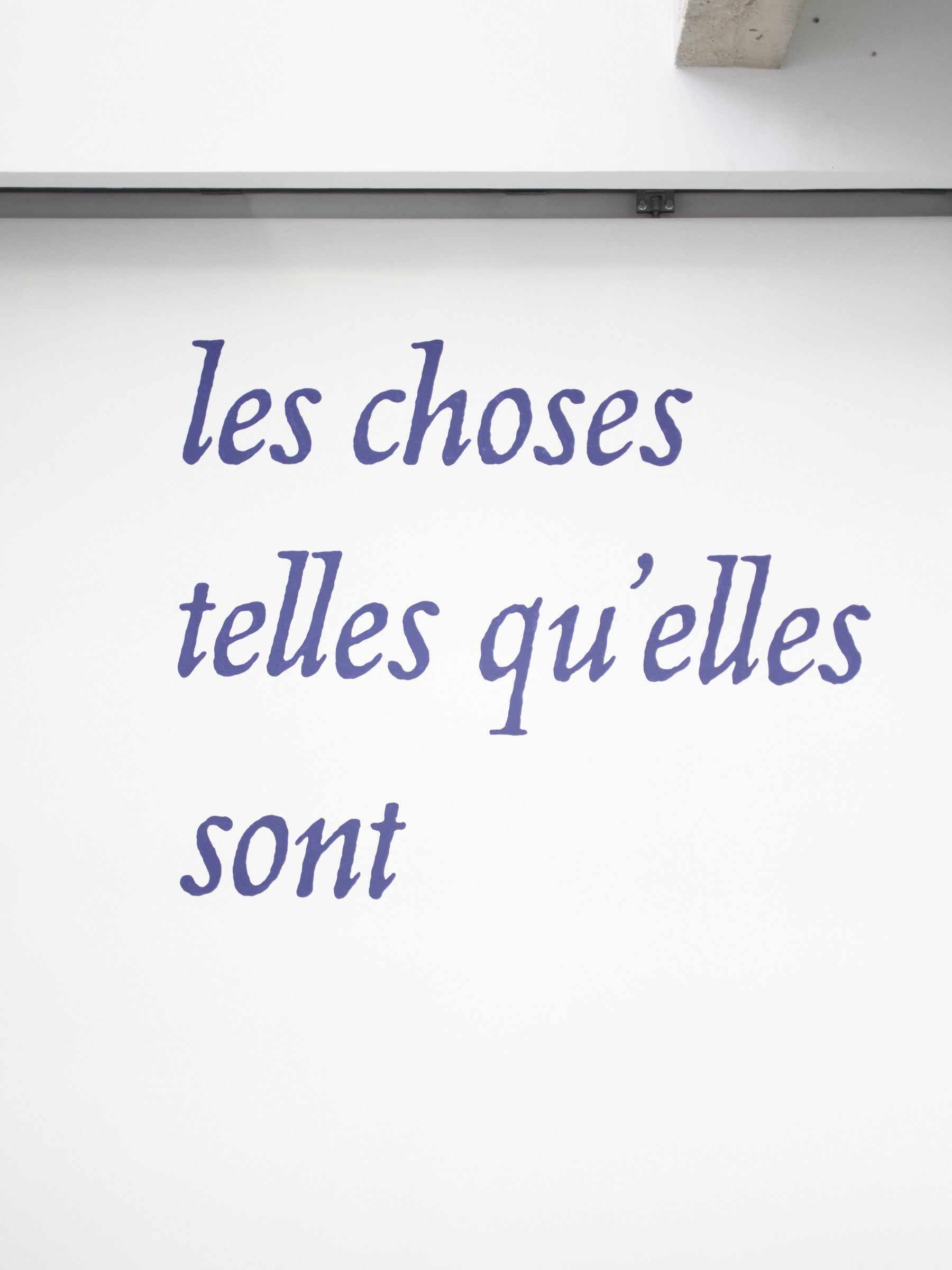
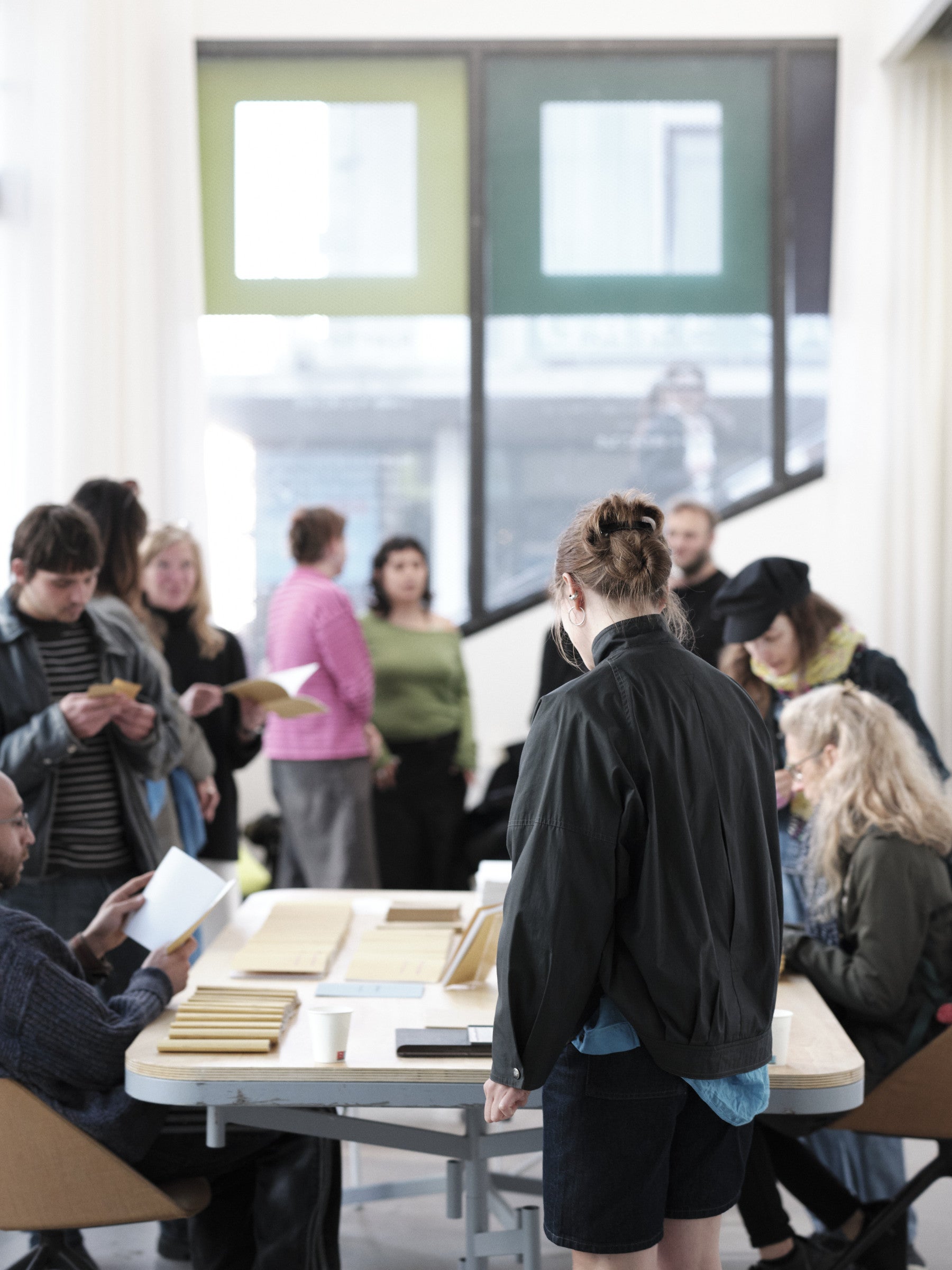
15.04.2026  - Open studio - end of residency

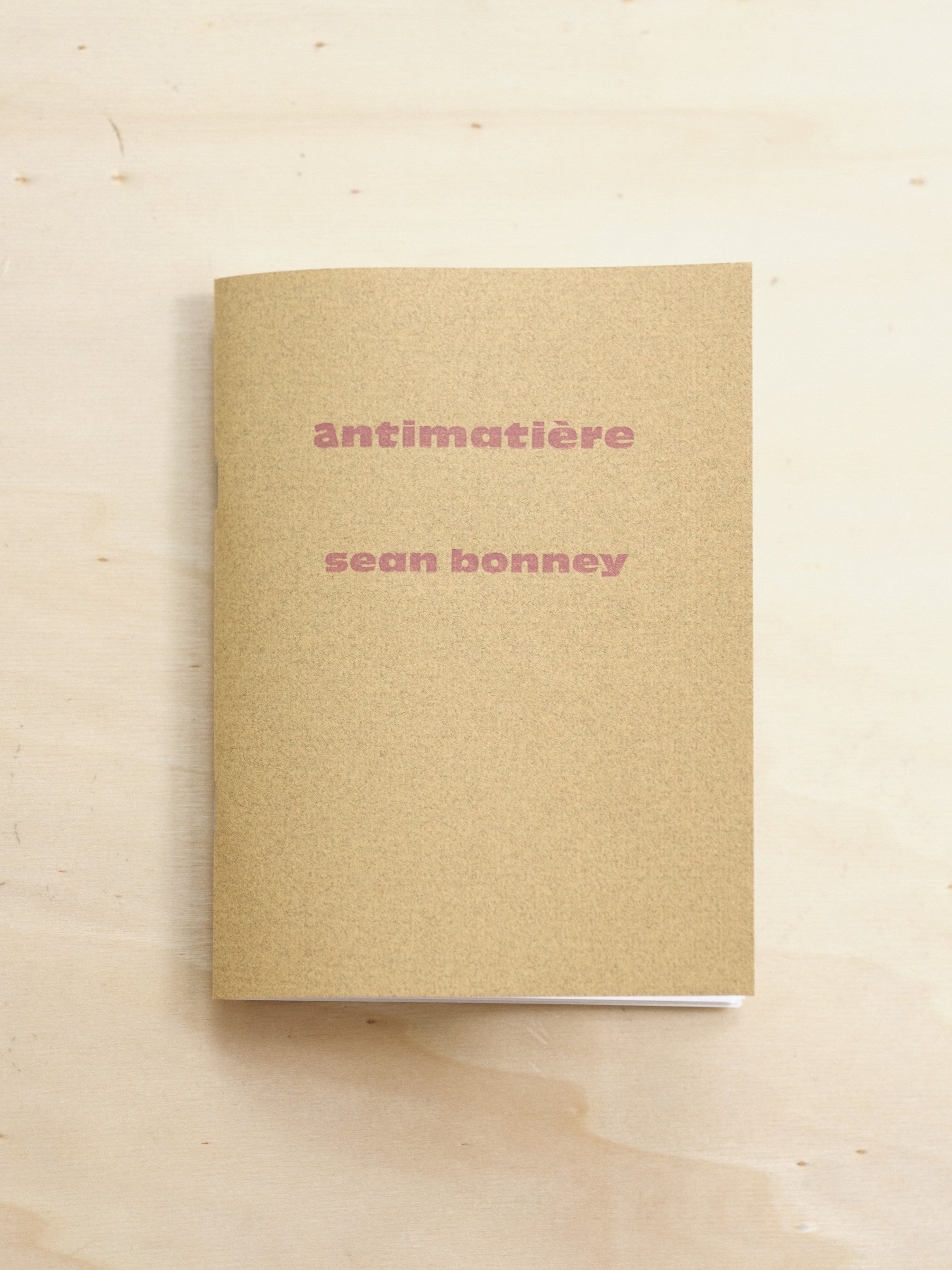
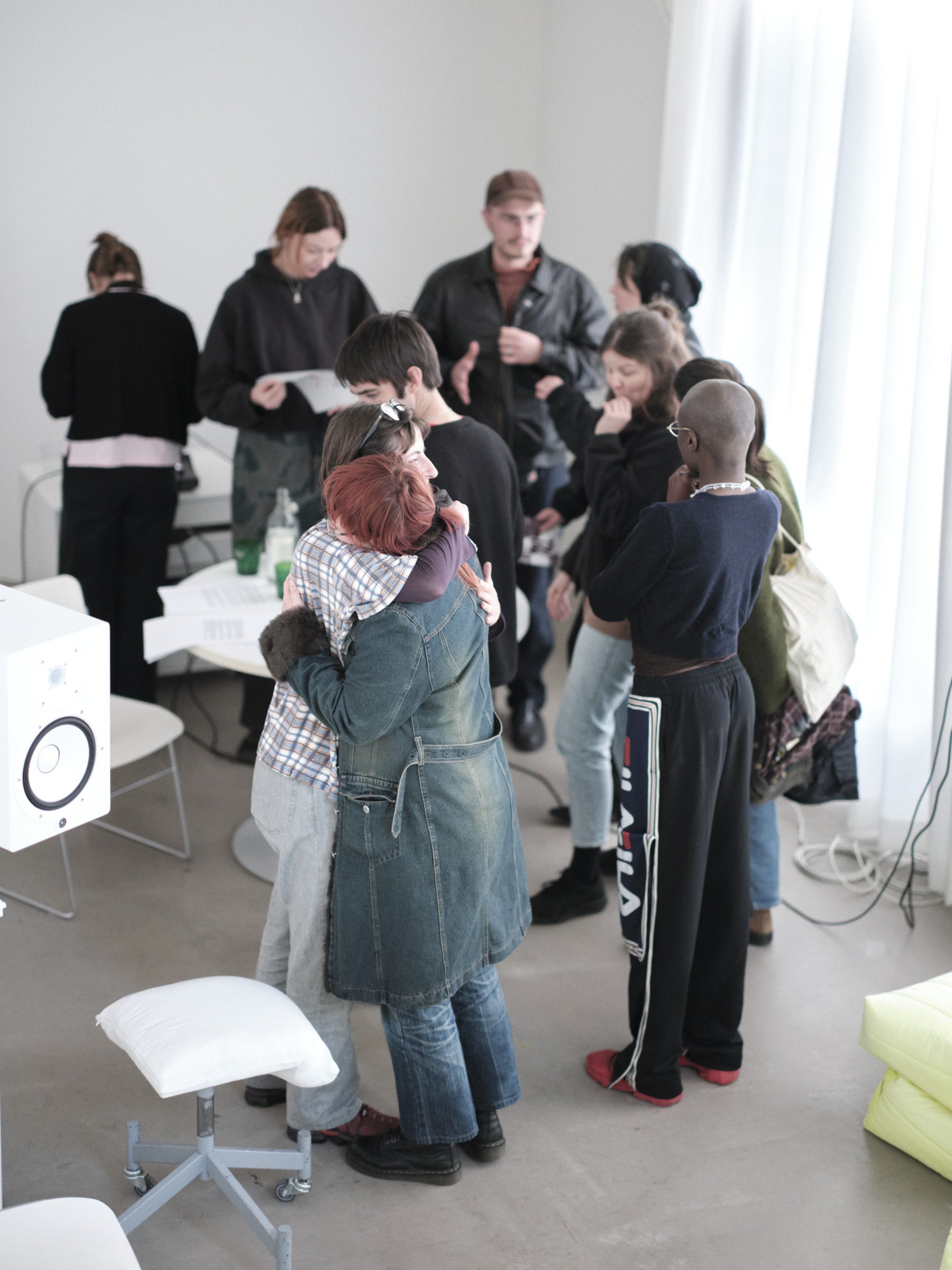
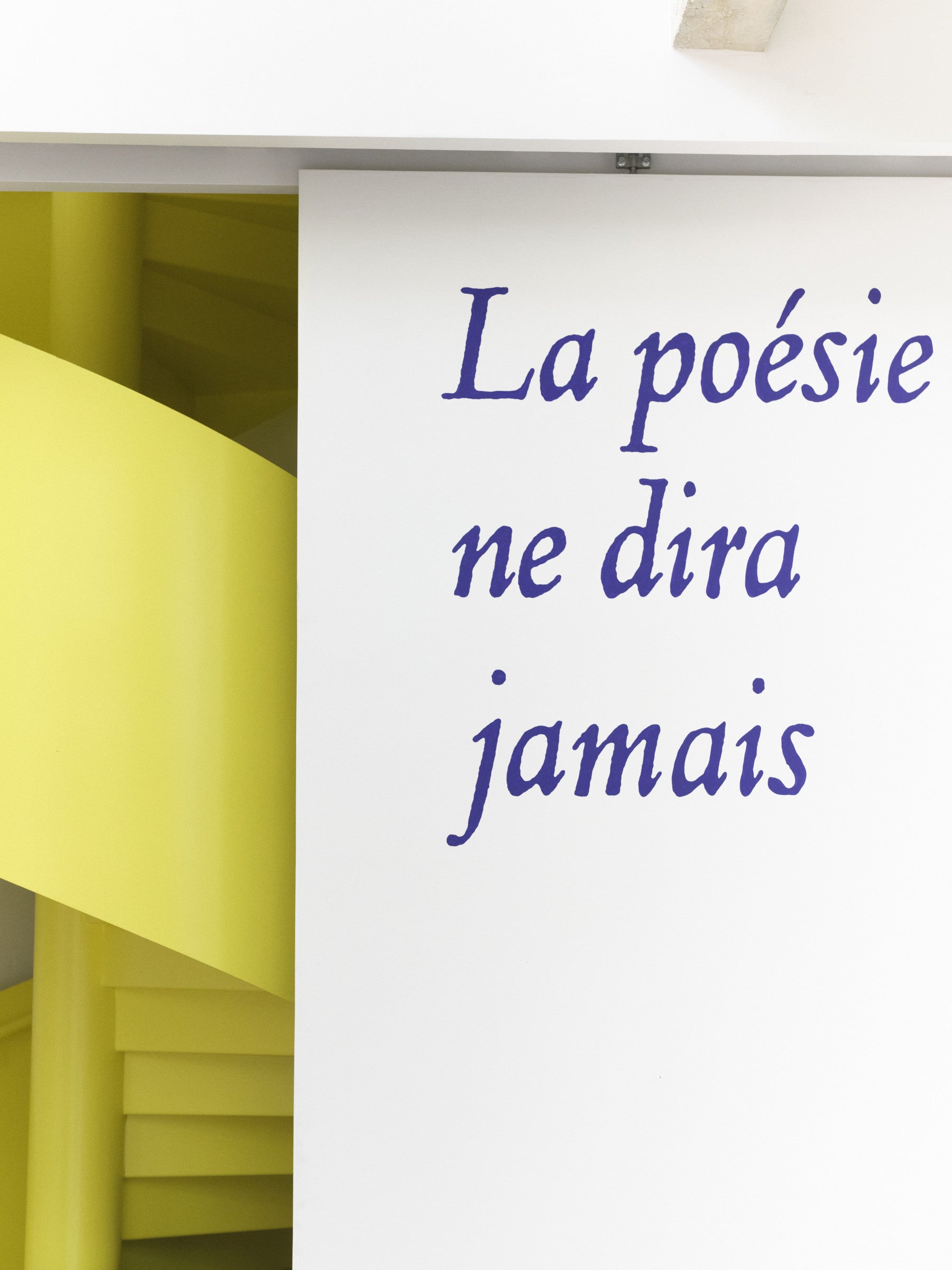
At the end of her three-month research-creation residency at Aperto, Élise Legal opened the doors of her studio to the public. This presentation offered visitors the chance to discover a mural created in collaboration with the Garnier Araguas studio, as well as several materials resulting from her research. The artist also presented the launch of the bilingual edition of Sean Bonney’s Antimatière, for which she provided the French translation (edited by Elsa Boyer), published by Salt&Cedar, as well as an archive edition based on images from Sean Bonney’s Tumblr, created in collaboration with the graphic design studio mrs-sissy-lyn.

28.03.2026 - Entendre ce qu'on veut

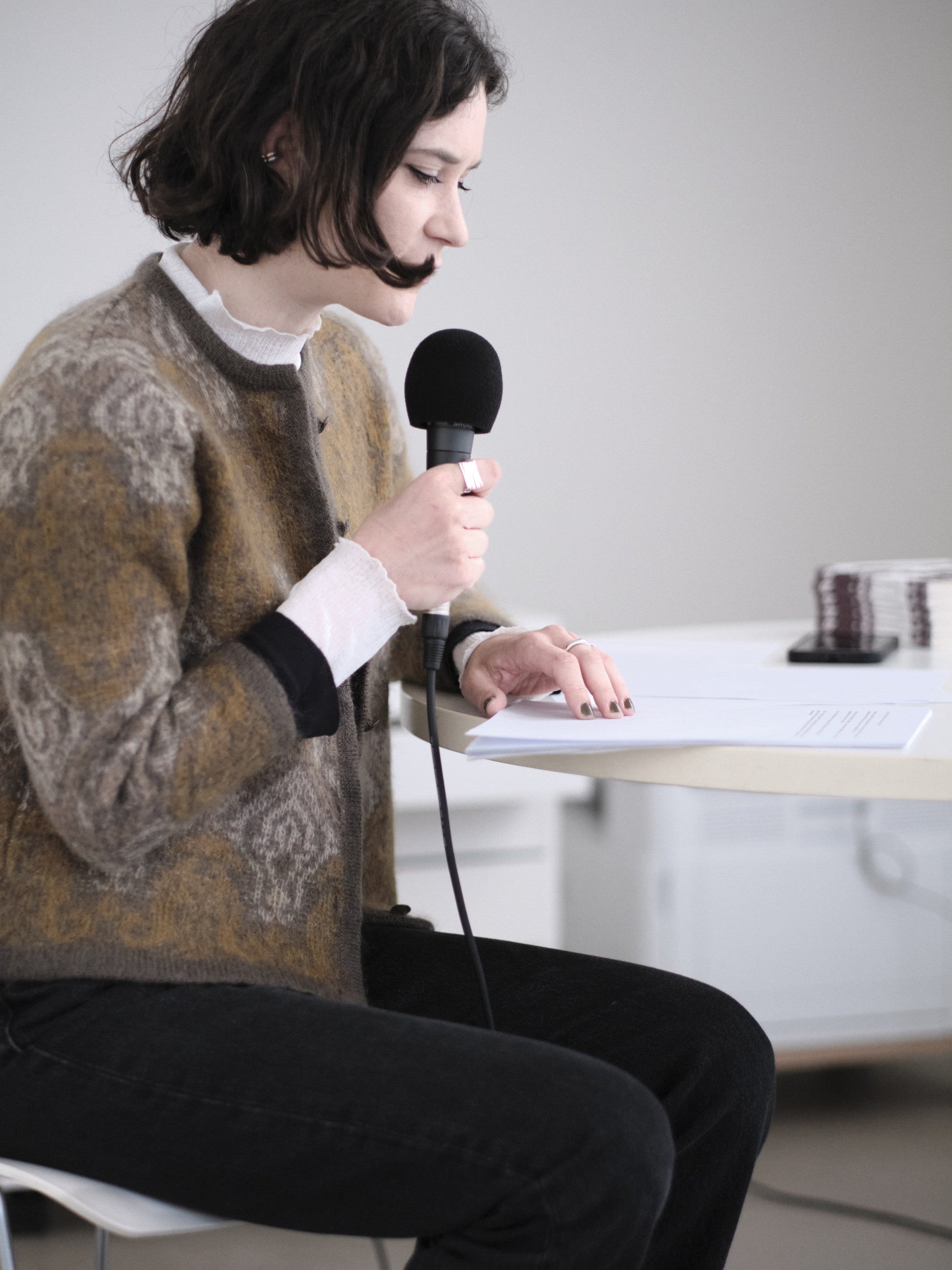
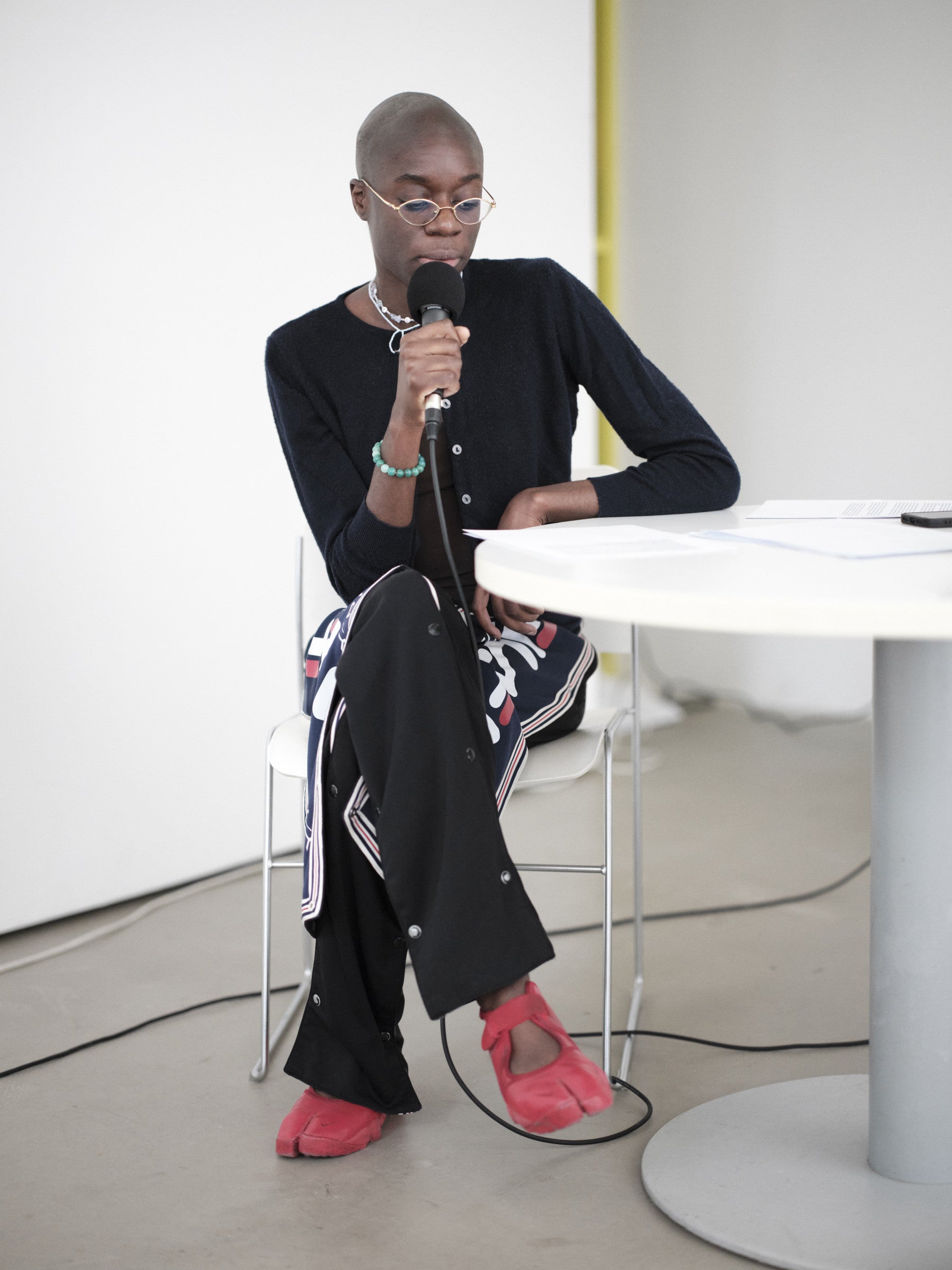
Entendre ce qu’on veut was a public reading event conceived by Élise Legal, featuring Camille Kingué, Fanny Lallart, and Julie Sas.

The event invited participants to consider writing as an act deeply connected to material and working conditions. The texts shared explored personal and feminist strategies for writing in spite of everything. This involves writing poems, working with and/or against the language of power, and translating texts that matter—in short, negotiating with imaginary or real limitations.