La Toile - Carte blanche to Taddeo Reinhardt
This first event in La Toile, the Fondation Pernod Ricard's new cycle of screenings, brings together films from diverse backgrounds and eras, weaving a tapestry of voices united by a single question: How do we tell our stories? How can we narrate the personal while revealing the historical and systemic realities that shape our lives? How can we tell stories about history, places, an era, or violence, starting from our own experiences? And how can we share these stories with others through film and images?
Each of the four films explores a particular cinematic form, in order to test the issues raised by using one’s body, voice and gaze to report on an experience and the world that shapes it. Between experimentation, fiction, introspection and collective gesture, they question, directly or indirectly, the possibilities of looking at oneself and the world, as well as the desire to share it.
In The Recording Machine, Tamador Laban expresses: "I like making movies, but I make movies for others to see, not for me." The programming and sharing of these narratives, three of which were presented for the first time in a French cinema, allow these films to resonate like addresses, confessions, and to be anchored in a new present. From their meeting, a discreet network emerges, between the films and beyond themselves; a new canvas is woven into the night, following those who now carry them within themselves.
On the program:
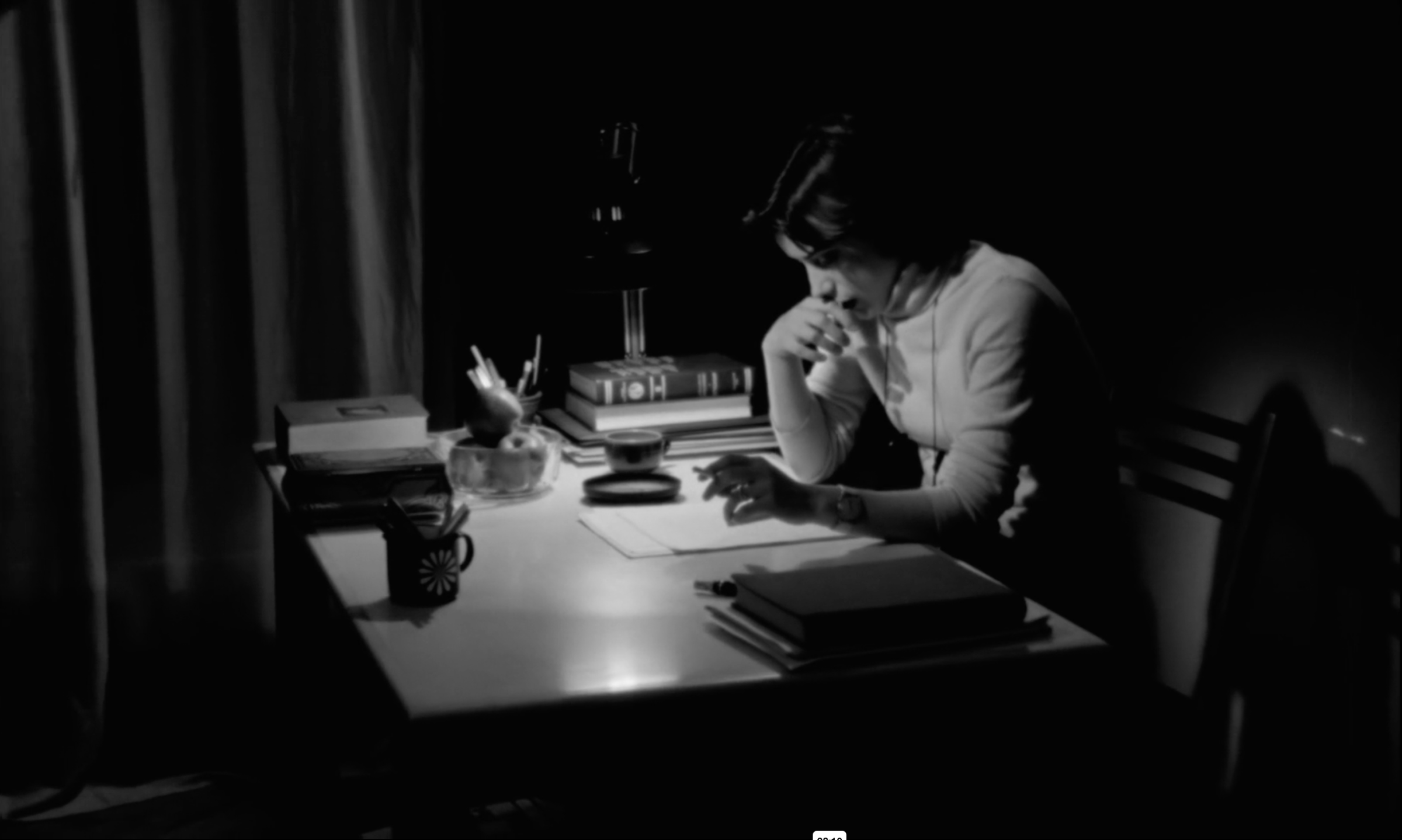
Livet På Frogner (Anne Haugsgjerd, 1983) is a metafilm about the making of a film. A woman wants to write a screenplay about the neighborhood where she lives, but she can’t. Torn, she no longer knows what she wants to tell. The frustration of not being where something is happening leads him to wonder if it wouldn’t have been better to take a camera and go meet life that takes place on the other side of his window, rather than write it down. Or perhaps it would have been better to live this life, rather than simply make a film?
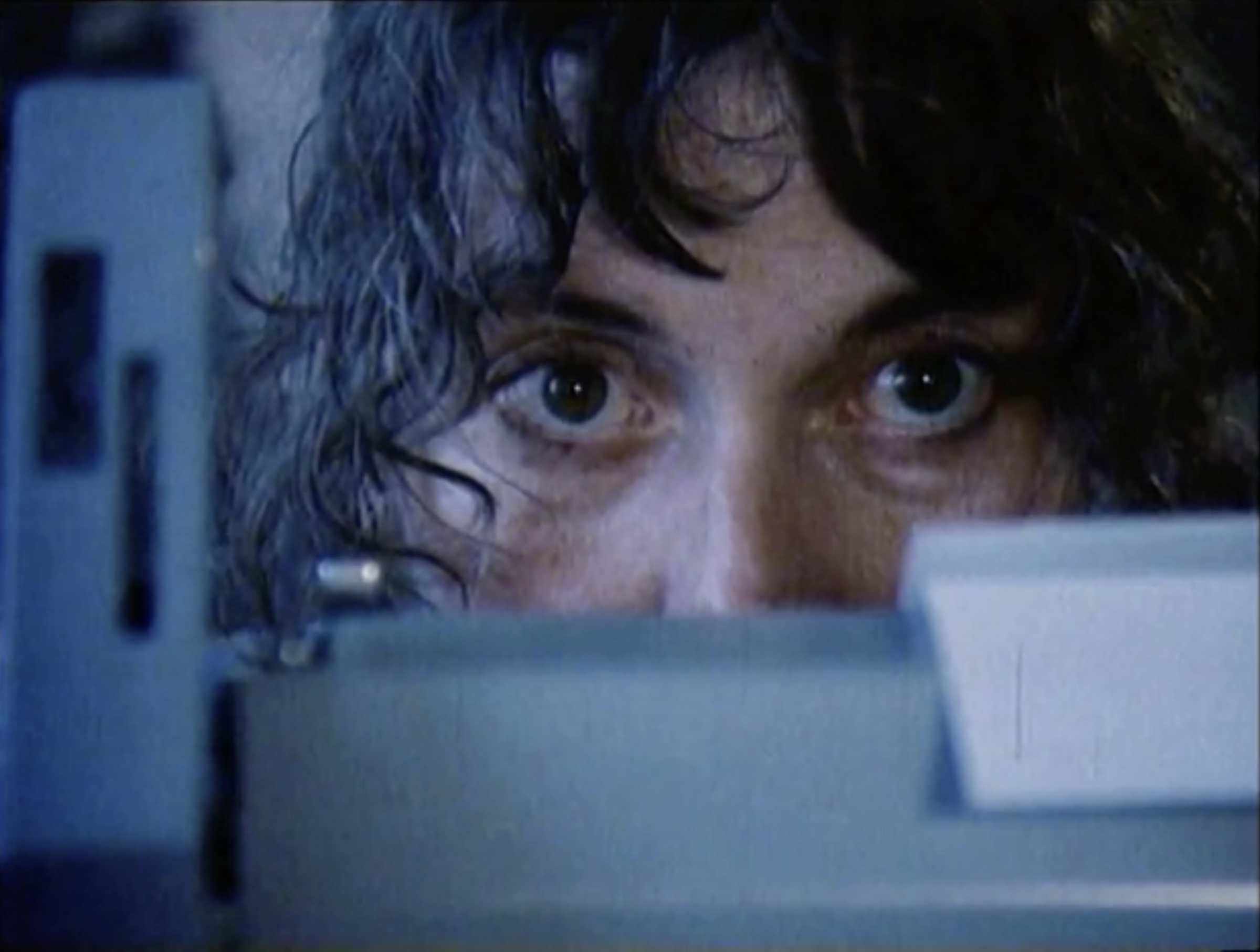
Peri Erotos (Maria Gavala, 1986) features a student in Athens. Using fiction and setting up a troubled and enigmatic atmosphere, the film makes speech a way to make perceptible the systemic violence that young women are confronted with and confronts the feeling that any outcome is impossible. Warning – the film addresses topics of gender and sexual violence.
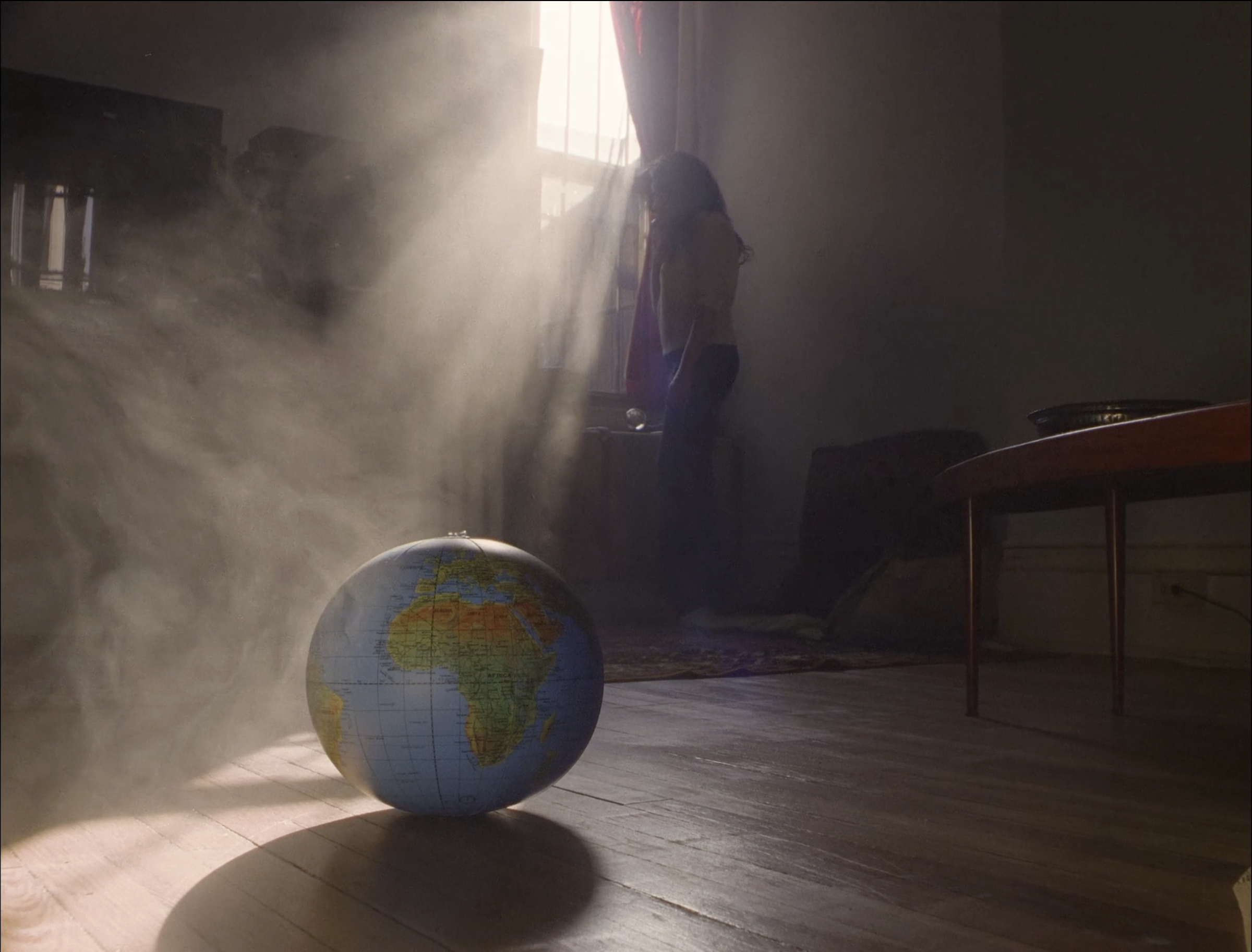
In Teyh (Parine Jaddo, 2002), an Iraqi filmmaker living in the United States portrays herself in the aftermath of September 11. Events plunge her into a state of confusion and disarray. Spending her days at home, she wonders about her life choices and her sense of belonging to a world that seems to have lost its bearings.
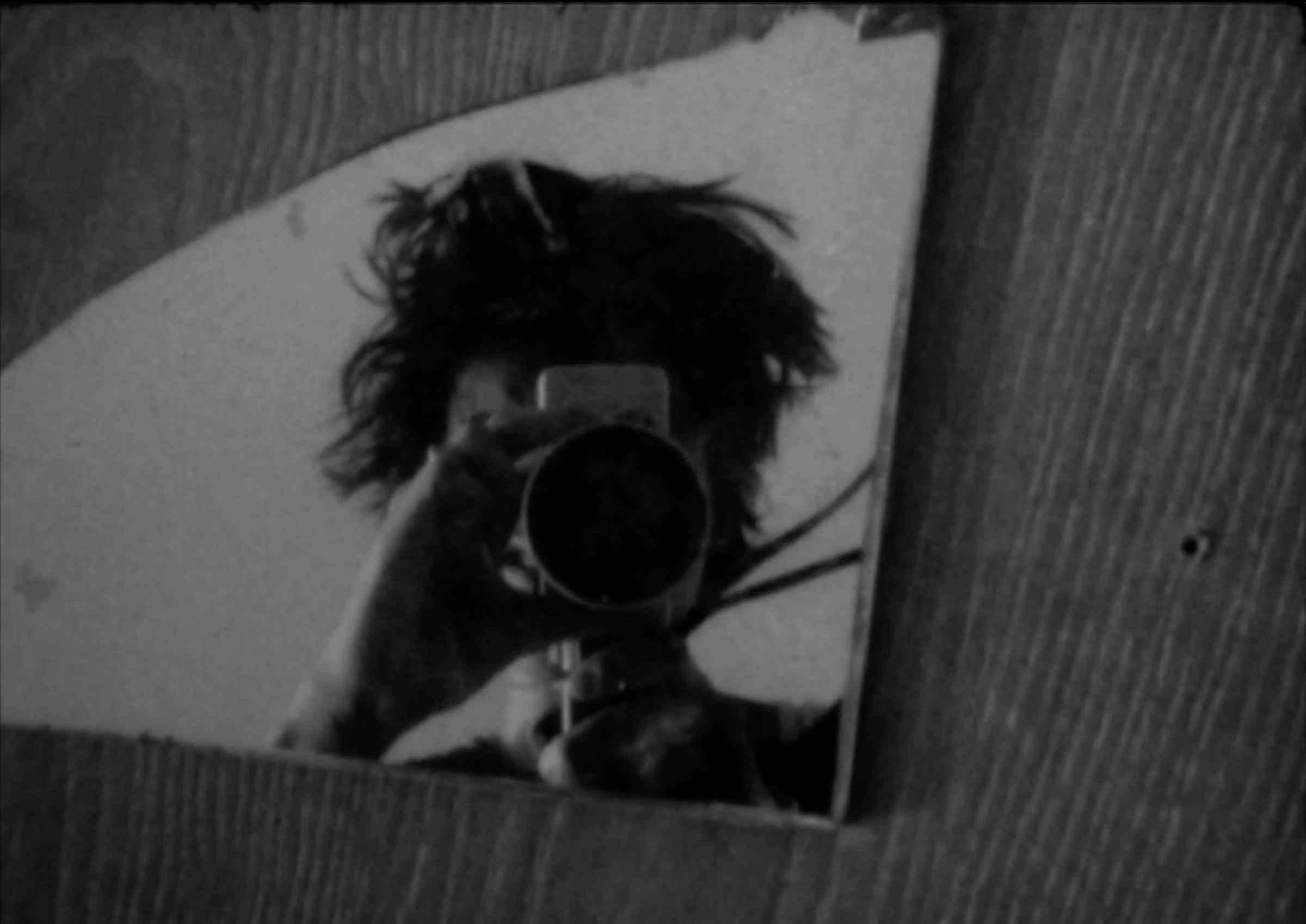
La Machine d'enregistrement (Noémi Aubry, Wisam Al Jafari, Tamador Abu Laban, Firas Ramadan, 2013) takes the form of a meeting with three young Palestinian filmmakers, refugees from the Deisheh camp, about their practice of cinema. The meeting is held around a Super 8 Nizo camera. Their reflections on filming as Palestinian refugees and what it means to make films in Palestine are reflected in the images they themselves make of the camp where they live, in Deisheh.
Find out more about this new cycle: here.