The Dream Argument
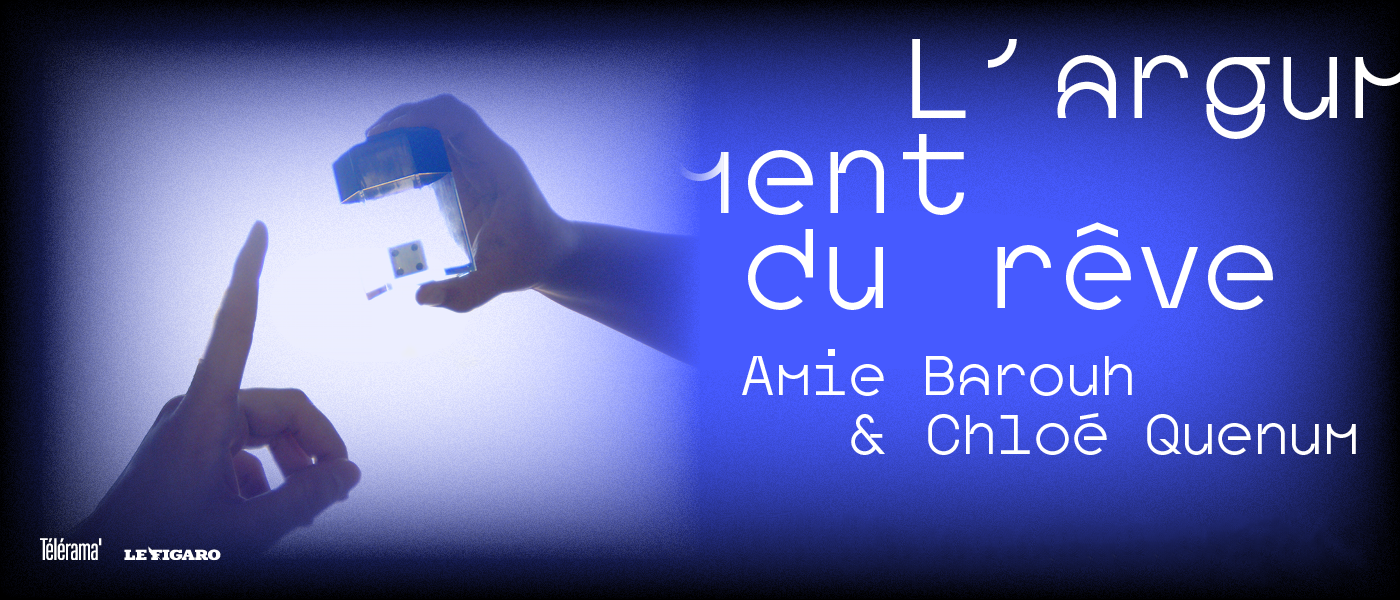
Amie Barouh and Chloé Quenum
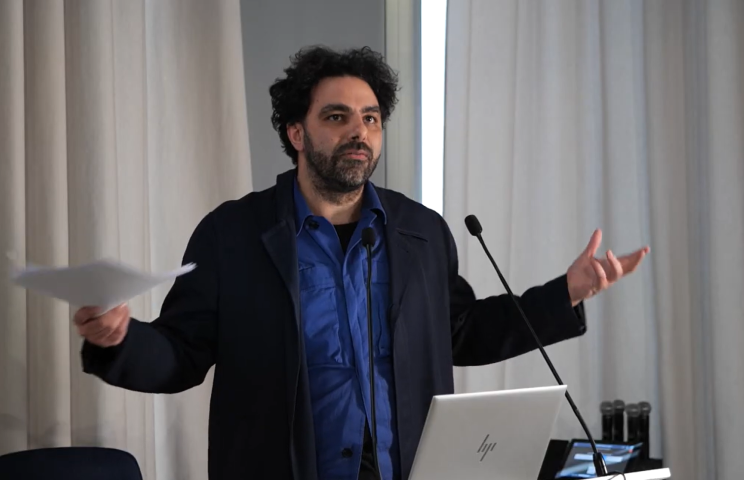
With the participation of Mohamed Amer Meziane, historian and philosopher
Curator: Élodie Royer
Opening on Monday, February 16 at 6 p.m.
Very early humanity started thinking itself through dreams.
It is the vital bond, the storyline in the constitution
of a shared consciousness, of a community.
What to tell, in order to accept to live together?
Dreams, precisely.
Anne Dufourmantelle, Intelligence du rêve, 2012, Éditions Payot
This exhibition stems from a hypothesis, that of bringing up dreams again today to find out what they say of our ways of existing, of relating to one another and of representing.
Despite our modern lifestyles, often unrelated to the imaginary, drawing us away from our dreams and what they sow in us (presences and omens, living beings and ghosts, lights and feelings), we could still argue that dreams never leave us: they watch over us, engaging conversation between reality and other places or temporalities.
But more than a safe place, poetic and soft, sheltering us from reality, dreams—in a series of work produced specifically for this exhibition—appear to be spaces inhabited by tensions, violences and desires, where contemporary, political and collective stakes are at play. Which importance do we grant our nights, slept or sleepless, when our senses open to other forms of knowledge? And this time of rest, a respite from the continuous acceleration of a society always more connected, more fragmented? And what about the space of the dream, as a place where our waking lives and their magic unfold differently
L’argument du rêve, [The dream argument] falls within a double gesture, both physical and intellectual, of bringing together two artists, Amie Barouh and Chloé Quenum, and a philosopher, Mohamed Amer Meziane, who all have in common their critical use of the dreamscape in their work. In an original, immersive interplay each of them in their own ways seem to summon the dream as a talking point, not in an attempt to define its share of reality and of illusion, but for its ability to overcome such distinctions, partly inherited from Western thought, and to create other ways of interacting.
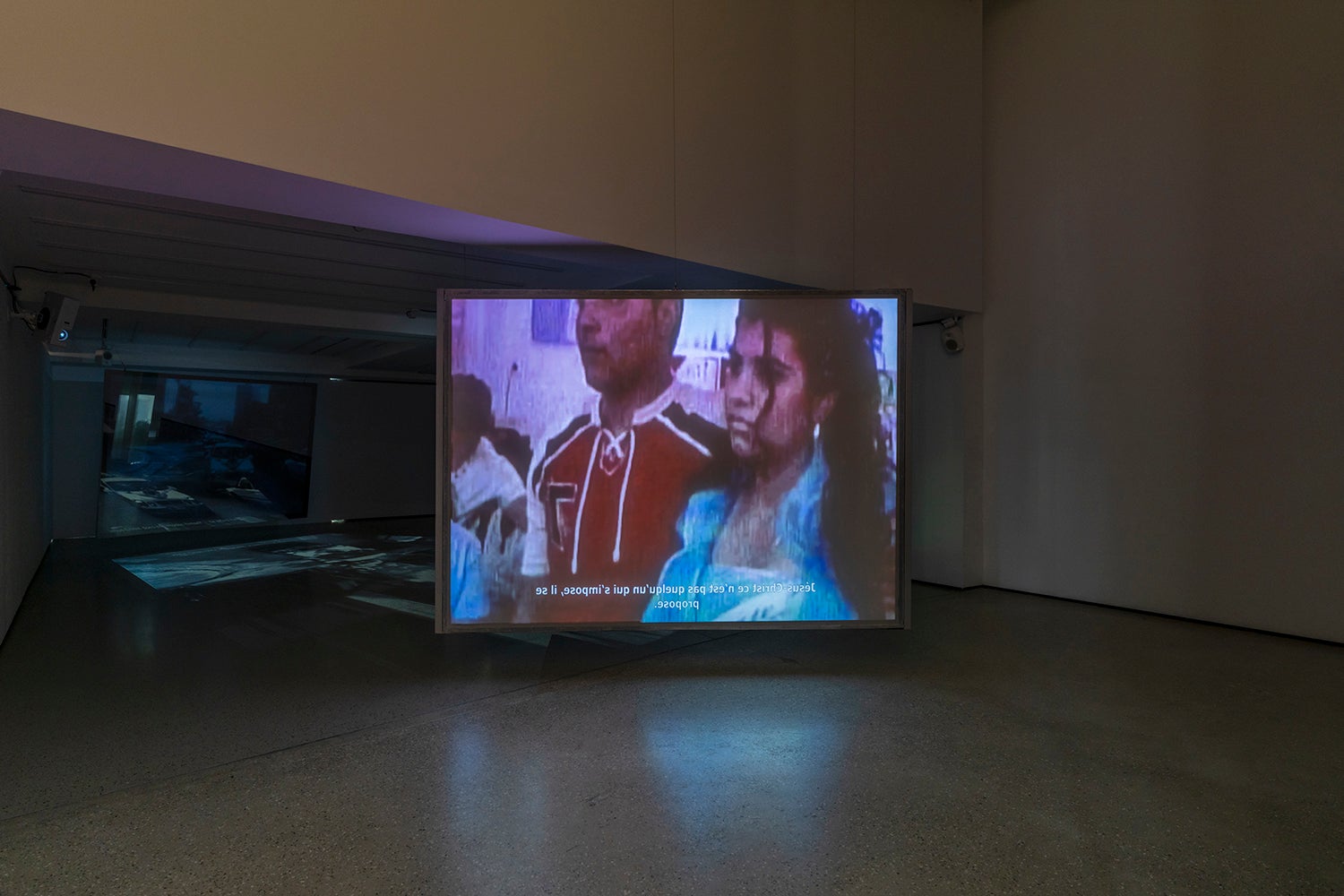
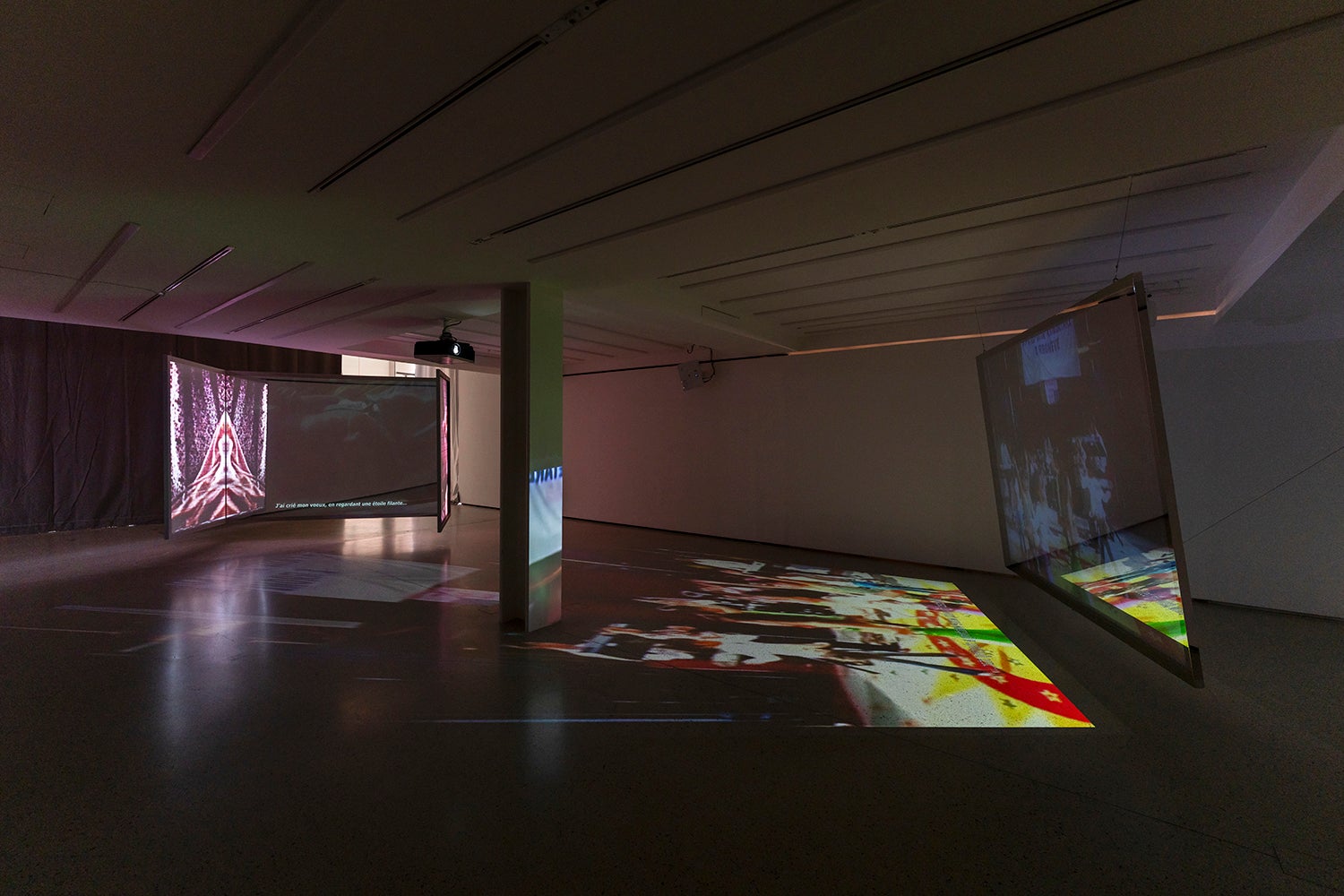
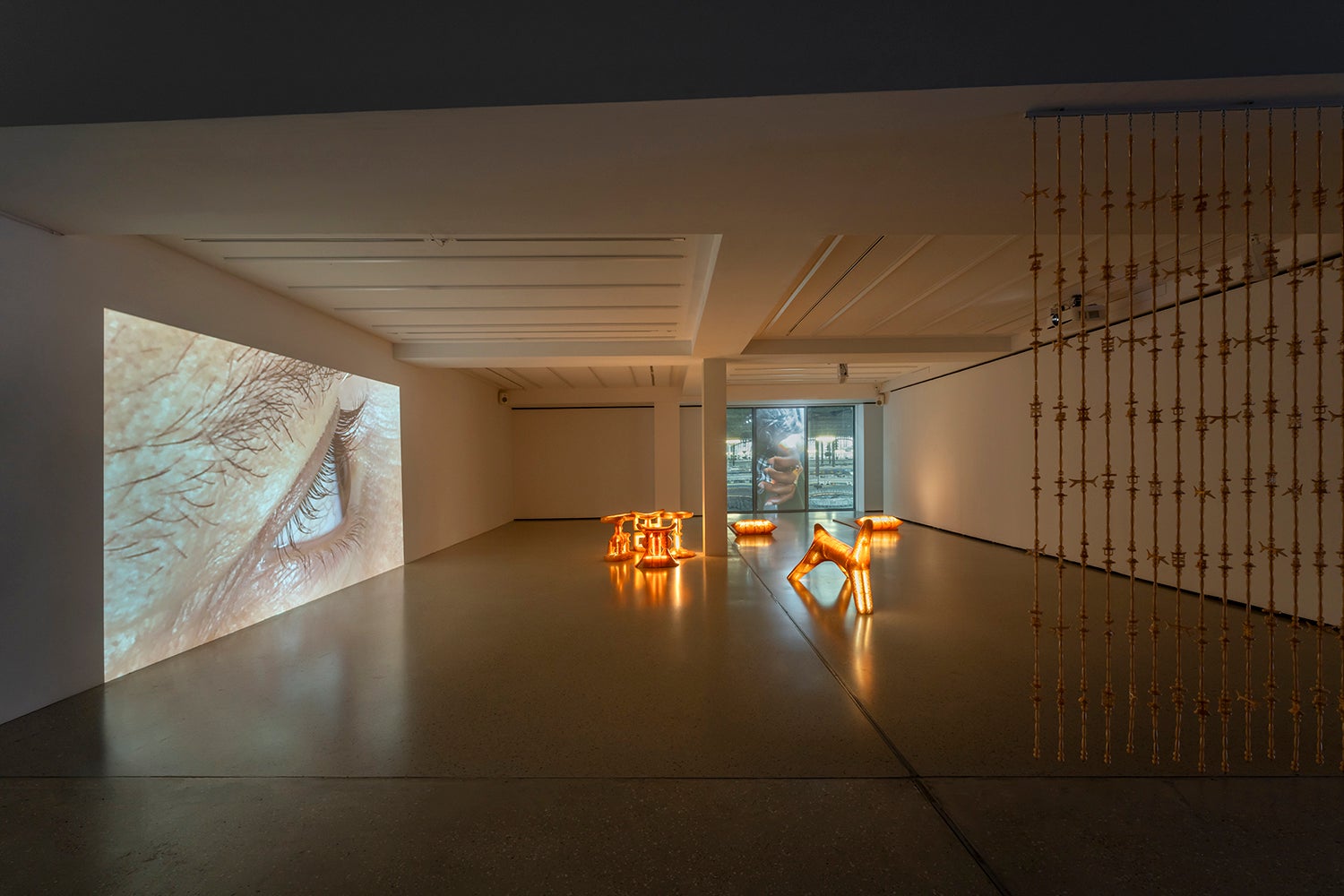
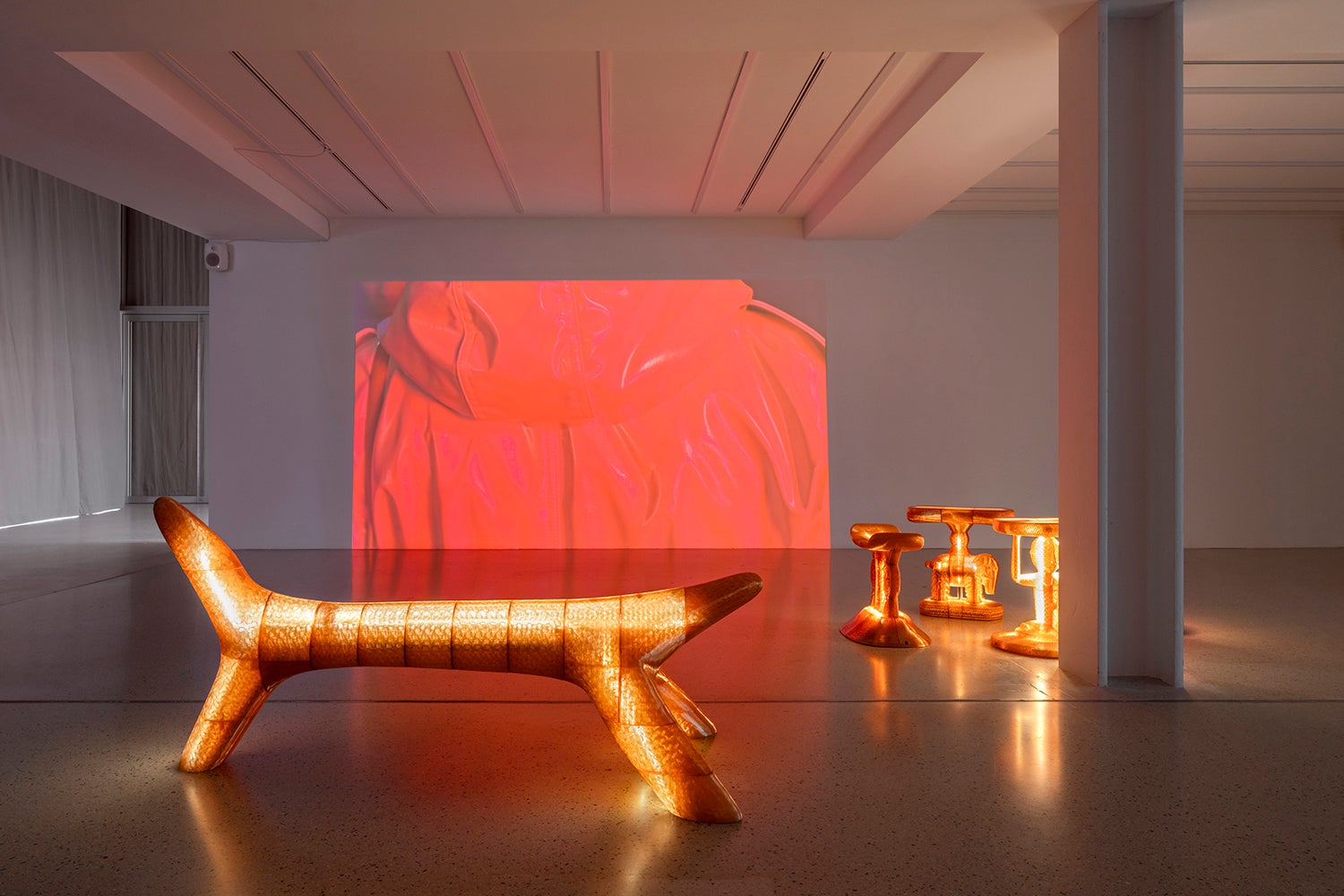
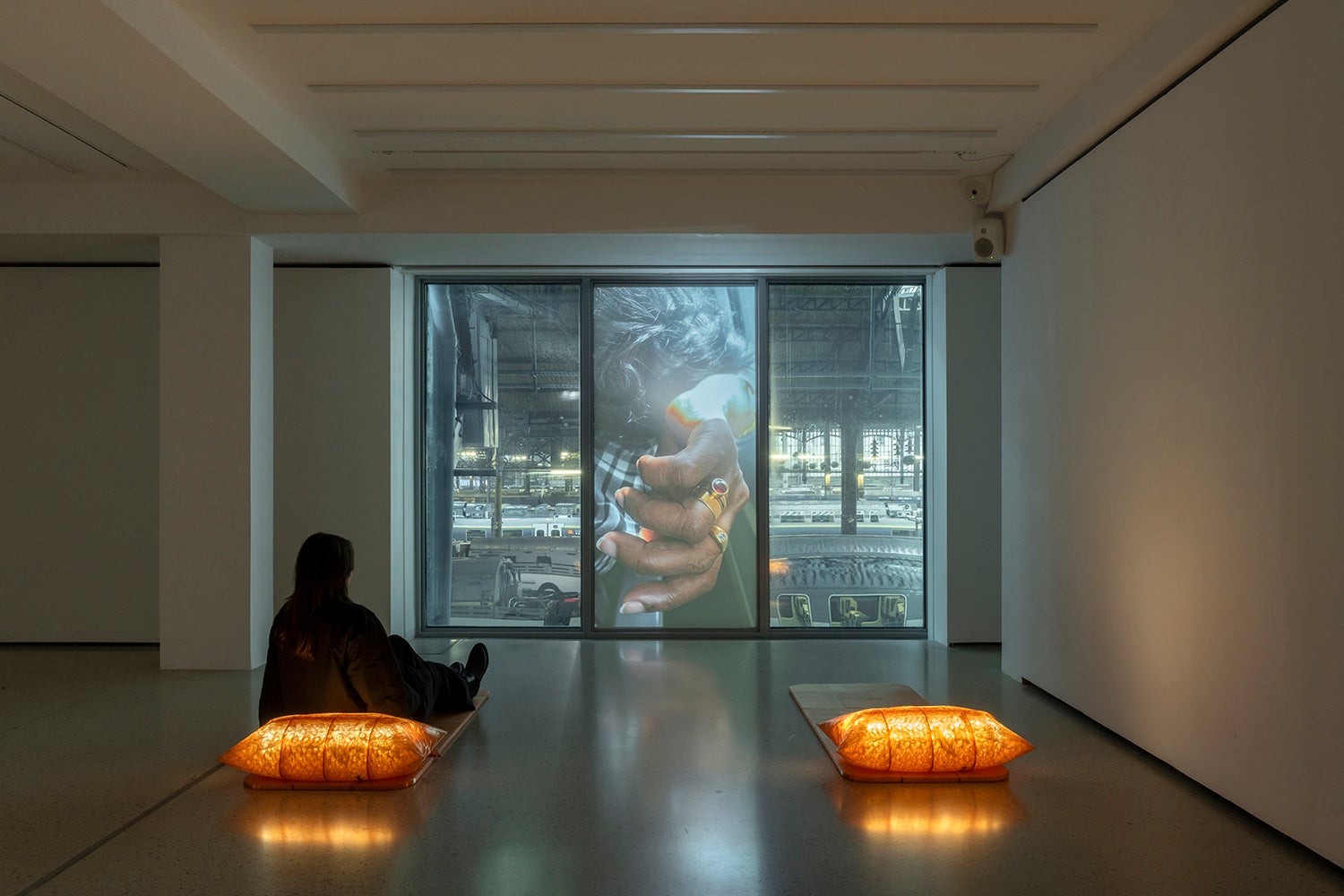
Through an immersive video installation blending together her own images with these of a video archive started and curated by Albanian-Romani activist Gim Furtuna, Amie Barouh recomposes a dream. Through these images captured by strangers and her own story, the dream physically unfolds in an edit made of collages and overlays, where temporalities overlap, places multiply, sounds tangle, all led by
a voice interpreting this dream both individual and collective.
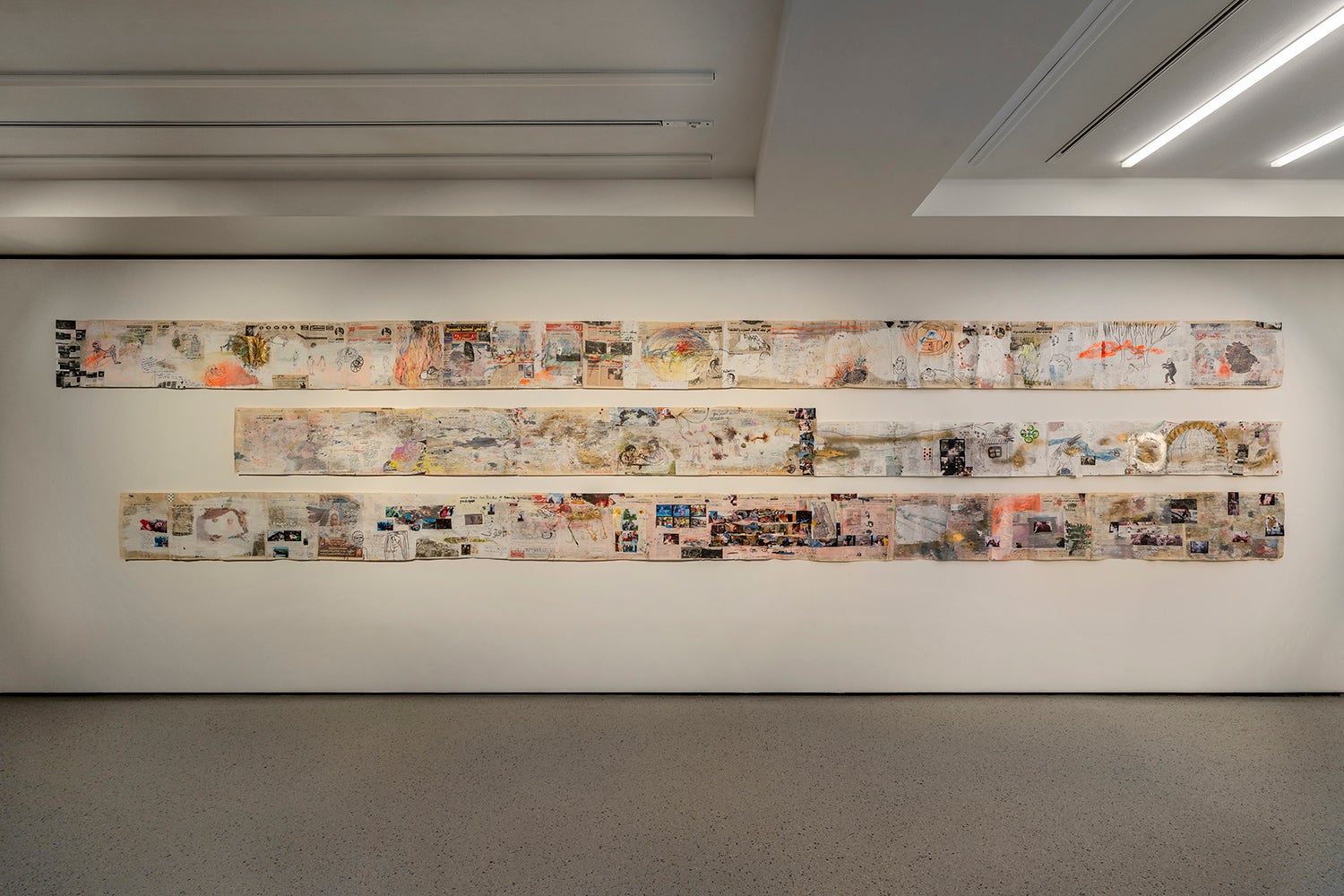
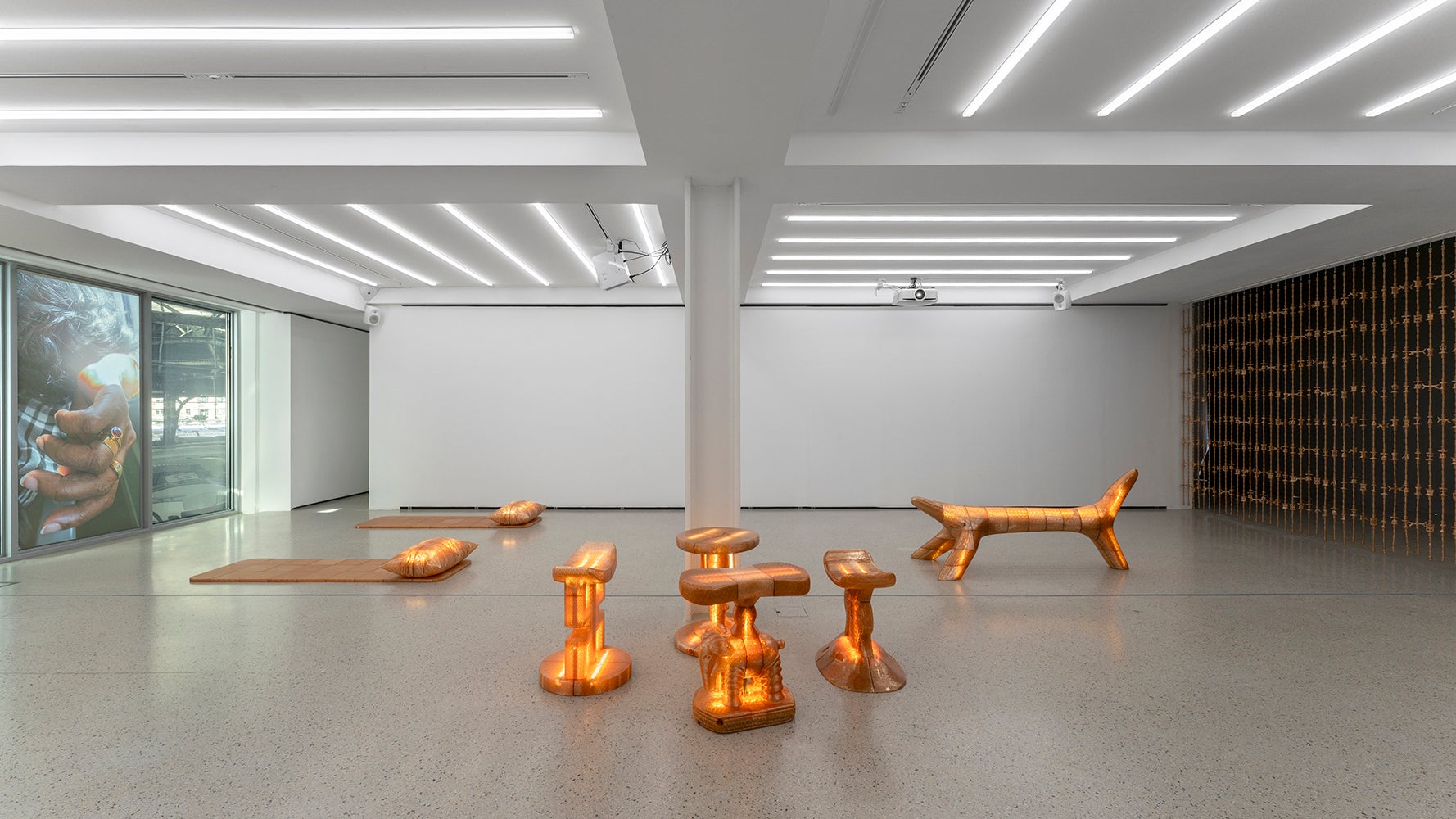
Once again mobilising our senses with a sound and lighting installation that stretches time, Chloé Quenum unfolds a new set of sculptures and animated images inspired by the architecture of sleep and the materiality of dream — for example, the headrest, sometimes also called “dream support”, is present here in various forms, as an object but also the support of a different perception of the invisible.
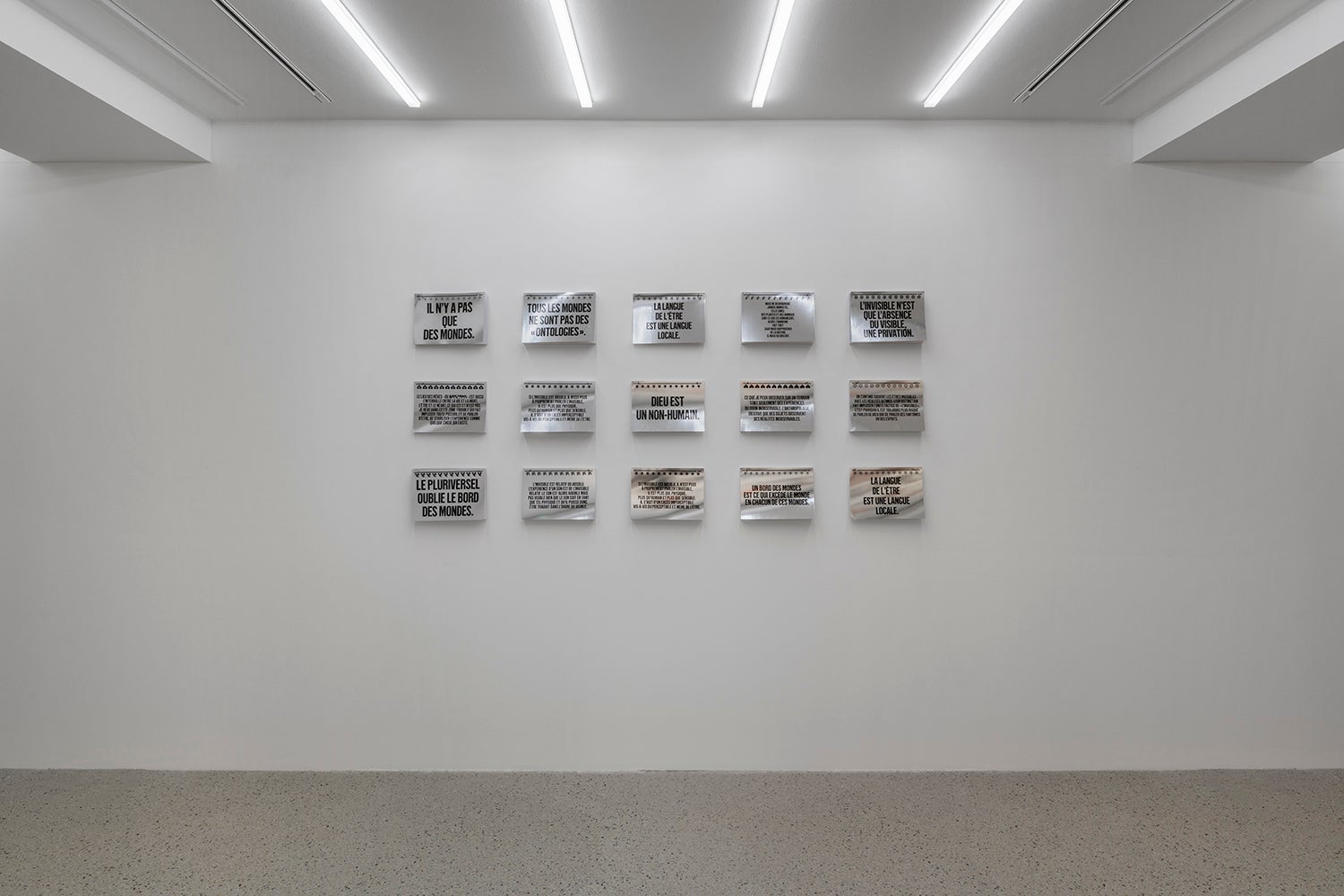
At the crossroads of these installations, excerpts of writing by Mohamed Amer Meziane enrich the exhibition, some of them pulled from his latest book, Au bord des mondes (2023), in which he writes about the concept of dream, in the sense of a barzakh — border or isthmus, in Arabic—as part of a discussion on decolonising knowledge.
Élodie Royer
Exhibition curator
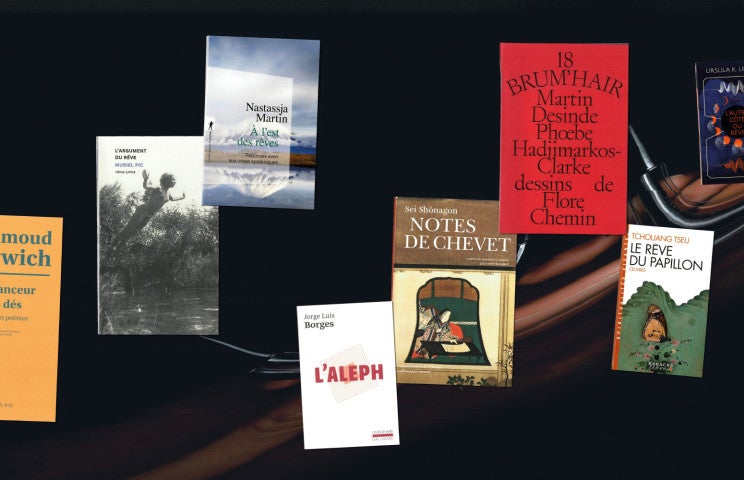
“L'argument du rêve” (The Dream Argument) is also the title of a book by Muriel Pic published in 2022 by Éditions Héros-Limite, a collection of documentary poems which, drawing on previously unpublished archives, explores the place of utopia in our lives. The collection thus measures the power of dreams, which, far from being a negligible reality, document the way in which history inhabits our bodies and can lead us to the best or the worst.
Amie Barouh, O Suno, 2026, capture d’écran. © ADAGP, Paris, 2026. Courtesy de l'artiste et de la galerie Salle Principale.